
FOLIA ELEGANTE DE Andrea Carvalho Stark - REVISTA DE HISTÓRIA DA BIBLIOTECA NACIONAL, FEVEREIRO DE 2010, NÚMERO 53, na banca de jornal mais próxima...
Um pouquinho aqui...http://rhbn.com.br/v2/home/?go=detalhe&id=2888
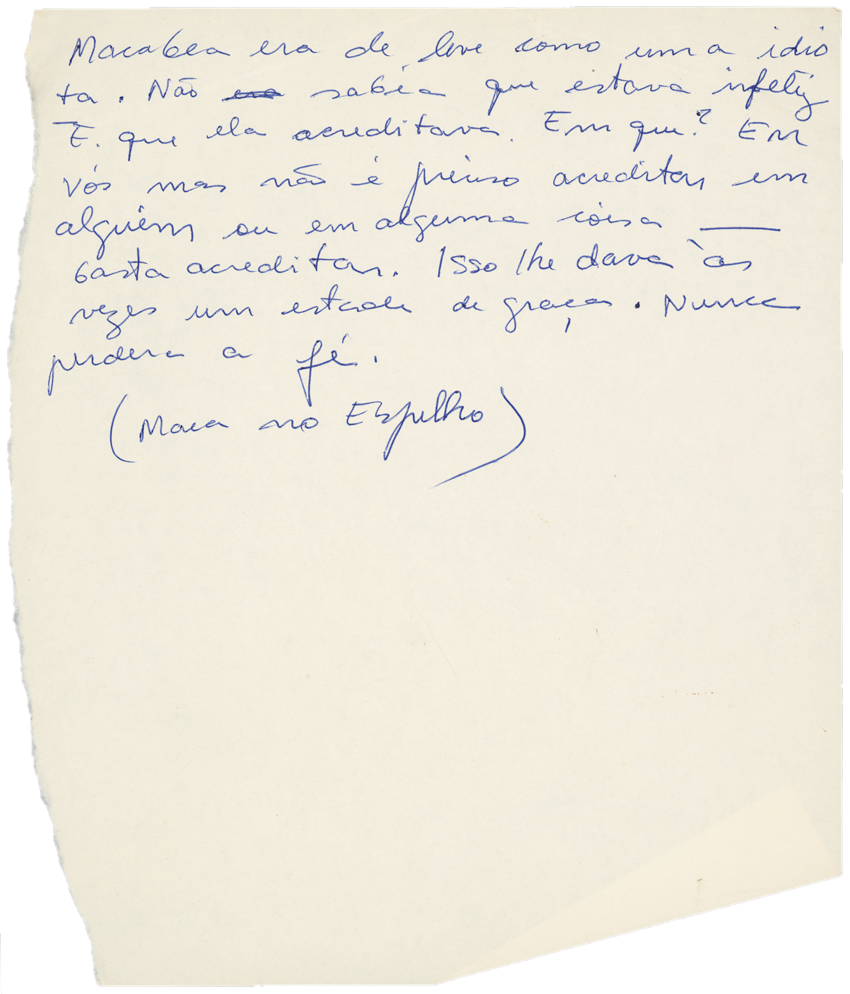
BANCA DE TEXTO. UMA BIBLIOTECA PESSOAL. BY/PAR/POR STARK! Uma grinalda de Andrea Carvalho STARK


The great Victorian is probably even more ubiquitous now than he was in his lifetime. How he remains such vital reading is an intriguing question
The Guardian, Wednesday 30 September 2009
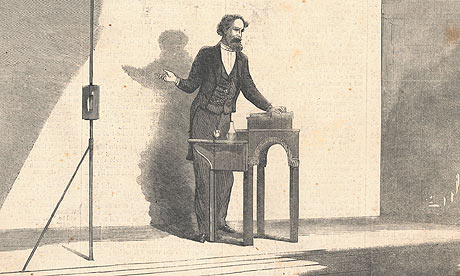
Shining a light on his audience ... Dickens giving a reading. Photograph: Corbis
It seems that you cannot turn a corner this year without bumping into Charles Dickens. So far we've seen the release of four major novels based on the Victorian icon's life: Dan Simmons's Drood (February), Matthew Pearl's The Last Dickens (March), Richard Flanagan's Wanting (May), and Gaynor Arnold's Girl in a Blue Dress (July). Earlier this year BBC1's lush new production of Little Dorrit was nominated for five Bafta awards in the UK, and 11 Emmys in the US. Newspapers and magazines have run stories on his relevance to the current global economic crisis. And with the Christmas season now only four months away, it seems that there is no getting away from him any time soon.
As someone who teaches and writes about Dickens, the question of why we still read him is something that's often on my mind. But that question was never more troubling than one day, nearly 10 years ago, when I was standing as a guest speaker in front of a class of about 30 high school students. I had been speaking for about 20 minutes with an 1850 copy of David Copperfield in my hand, telling the students that for Victorian readers, Dickens's writing was very much a "tune-in-next-week" type of thing that generated trends and crazes, much as their own TV shows did for them today.
Then a hand shot up in the middle of the room.
"But why should we still read this stuff?"
I was speechless because in that moment I realised that, though I had begun a PhD dissertation on Dickens, I had never pondered the question myself.
The answer I gave was acceptable: "Because he teaches you how to think," I said. But lots of writers can teach you how to think, and I knew that wasn't really the reason.
The question nagged me for years, and for years I told myself answers, but never with complete satisfaction. We read Dickens not just because he was a man of his own times, but because he was a man for our times as well. We read Dickens because his perception and investigation of the human psyche is deep, precise, and illuminating, and because he tells us things about ourselves by portraying personality traits and habits that might seem all too familiar. His messages about poverty and charity have travelled through decades, and we can learn from the experiences of his characters almost as easily as we can learn from our own experiences.
These are all wonderful reasons to read Dickens. But these are not exactly the reasons why I read Dickens.
My search for an answer continued but never with success, until one year the little flicker came – not surprisingly – from another high school student, whose essay I was reviewing for a writing contest. "We need to read Dickens's novels," she wrote, "because they tell us, in the grandest way possible, why we are what we are."
There it was, like a perfectly formed pearl shucked from the dirty shell of my over-zealous efforts – an explanation so simple and beautiful that only a 15-year-old could have written it. I could add all of the decoration to the argument with my years of education – the pantheon of rich characters mirroring every personality type; the "universal themes" laid out in such meticulous and timeless detail; the dramas and the melodramas by which we recognise our own place in the Dickensian theatre – but the kernel of what I truly wanted to say had come from someone else. As is often the case in Dickens, the moment of realisation for the main character here was induced by the forthrightness of another party.
And who was I, that I needed to be told why I was what I was? Like most people, I think I knew who I was without knowing it. I was Oliver Twist, always wanting and asking for more. I was Nicholas Nickleby, the son of a dead man, incurably convinced that my father was watching me from beyond the grave. I was Esther Summerson, longing for a mother who had abandoned me long ago due to circumstances beyond her control. I was Pip in love with someone far beyond my reach. I was all of these characters, rewritten for another time and place, and I began to understand more about why I was who I was because Dickens had told me so much about human beings and human interaction.
There are still two or three Dickens novels that I haven't actually read; but when the time is right I'll pick them up and read them. I already know who it is I'll meet in those novels – the Mr Micawbers, the Mrs Jellybys, the Ebenezer Scrooges, the Amy Dorrits. They are, like all of us, cut from the same cloth, and at the same time as individual as their unforgettable aptronyms (http://www.britannica.com/EBchecked/topic/30911/aptronym) suggest. They are the assurances that Dickens, whether I am reading him or not, is shining a light on who I am during the best and worst of times.
Lorrie Moore's literary talent has always seemed exquisitely adapted to brevity. Now she has finally proved herself over the long haul, says Geoff Dyer

Lorrie Moore. Photograph by Linda Nylind
Did it matter – did it gnaw away at her – that in spite of the high critical standing enjoyed by her stories, Lorrie Moore had not come up with the big novel by which writers, American ones especially, tend to be judged? Yes, there was Anagrams (1986), but the fact that a third of it also ended up in last year's Collected Stories slightly undermined its claims to unity. And then there was Who Will Run the Frog Hospital? (1994), which was nice enough but suggested that, like a boxer moving up a weight division, litheness was having to compensate for lack of bulk.
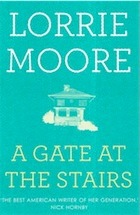
The stories, meanwhile, got better, deeper, darker and – yes – heavier, but maybe a voice and talent so exquisitely adapted to the shaped imperatives of brevity would come to be defined and measured by the lack of top-quality long-haul. "I can't do this," says the distraught mother-writer in the famous story "People Like That Are the Only People Here". "I can do quasi-amusing phone dialogue. I do the careful ironies of daydreams. I do the marshy ideas upon which intimate life is built." Hence the mix of excitement and trepidation that even adoring readers will bring to Moore's third novel. Will it be great? Will Moore prove that she is not synonymous with less?
Hell yes! It is and she does. She's on fire for 300 pages! You can sit back and have the time of your life reading A Gate at the Stairs if you're prepared to make a bunny-hop of critical faith, what might be called – I'm showing my age here – the Jimmy Clitheroe concession.
Moore was born in 1957; her narrator, Tassie, is looking back to the time, shortly after 9/11, when she was a student in the Midwest town of Troy. At the alleged time of writing, she is in her mid-20s but the voice and, to a lesser extent, the eyes are those of someone old enough to be her mother.
Moore's characters and books have always been light-footed. Self-Help, her first collection of stories, was all wit and sad dazzle. Anagrams was so loaded with gags that the reader suffered occasional quip fatigue. No surprise, then, that Tassie has a GSOH, but for someone claiming to be "fresh from childhood" she seems to be lugging around an extra quarter-century of adult life. A couple of times, she remarks on the quirks of "our generation" – the way, for example, that "everything either 'sucked' or was 'awesome'" – but they're exactly the things that strike people of Moore's age.
It's tricky. The main symptom of over-ageing in this coming-of-age novel is also intrinsic to its effect. Precocity enables you to play the piano at six, but wisdom, like the "half-life of regret" that also haunts these pages, only comes later. You find it, as Blake said, in the desolate market – where few come to buy.
This is not to minimise the purchases made there – the grief visited upon and witnessed – by Tassie in the brief period covered by the novel. Short of cash, she gets a part-time, all-consuming job babysitting for a middle-aged couple who are adopting a mixed-race baby. Much of the book details Tassie's time with the foster mother, Sarah, and her adopted child, Emmie. She is smuggled – the word turns out to be more apt than one might imagine – into an overwhelmingly white town, and Emmie's arrival prompts Sarah to organise a series of evenings in which other mixed families serve as a scathing mock-chorus on the state of race relations in idyllic-seeming Troy.
The neurotically energetic Sarah runs a ludicrously upmarket restaurant whose potatoes are grown by Tassie's dad. At Christmas, Tassie goes home to the family farm where her brother, Robert, is poised to join the army. She will return there during the intensely moving and, in places, brilliantly weird final phase of the book. So the immediate focus of the novel – life in a college town – is framed by the immensity of the surrounding prairie, whose seasons and endlessly changing monotony are captured in a series of virtuoso passages. Tassie learns that despair means "mistaking a small world for a large one and a large one for a small"; but how to avoid such an error when small and large – college and prairie – are prey to the same implacable meteorological and historical forces?
But let's stick, for a moment, with the small stuff, with Moore's eye for absurdist, hi-def detail: the mouth of the meth addict with its "crooked teeth, bits of shell awash on a reef of gum"; the fortune cookie that looks like "a short paper nerve baked in an ear"; the wonderful, late-night glimpse of married life when Tassie overhears Sarah saying to her husband: "You emptied the top rack of the dishwasher but not the bottom, so the clean dishes have gotten all mixed up with the dirty ones – and now you want to have sex?" There's tons of this kind of thing, cute and psychologically acute, but there's also the sense of something sky-vast and doom-laden, "full of sorrow and truth", bearing down from the past or about to loom up from the future.
The past trauma turns out to be Sarah's, though it will taint the present and be passed on to Emmie, one of whose first attempts at speech is "Uh-oh!": "She already knew both the sound and the language of things going wrong." The future history, so to speak, is latent in Robert's posting to Afghanistan and by the way that the Brazilian boy Tassie is dating turns out – a tad implausibly – to be…
Ah, but that would be telling, wouldn't it? Reviews are not supposed to give the game away, even though certain works – the best ones, arguably – are not harmed by spoilers. On first reading A Gate at the Stairs, one can become not frustrated, exactly, but impatient with Moore's determinedly lackadaisical way of proceeding. Second time around, when you know what's going to happen, when you give yourself up to the book's unusual and distinctive rhythm, it quivers on the brink of being a masterpiece. That quivering, that slight feeling of uncertainty (like "candlelight vibrating the room") is entirely appropriate given Moore's hesitant engagement with the demands of a big novel and the protracted gestation of this, her eventual response and solution.
Uninterested in narrative locomotion, Moore advances her story while appearing to let it drift sideways, roll backwards or even, at times, to stall. In the middle of Tassie's first conversation with Sarah, at a point in the novel when convention decrees that this scene and these characters are fixed in the reader's mind, Tassie remembers, instead, how her father "took to driving his combine down country roads to deliberately slow up traffic. 'I had them backed up seventeen deep,' he once boasted to my mom". And after a while, he might have added, none of them wanted to be any place else. They were glad to be along for the ride.
Geoff Dyer's most recent novel is Jeff in Venice, Death in Varanasi (Canongate)

MADISON, Wis. — Lorrie Moore had just begun working on what would become her new novel, "A Gate at the Stairs," when she told one interviewer that she was writing a book "about hate."
Later she recalled telling someone else that it was a novel about chores.
In May, speaking to a roomful of booksellers at BookExpo America, the publishing industry's annual convention, she said she had written a book — her first in 11 years — about a 20-year-old woman because she viewed 20 as "the universal age of passion."
And in a recent interview at a brasserie here, two blocks from her home in a neighborhood of colorful Victorian and prairie-style houses, Ms. Moore described the book as a meditation on "what it meant to be in this town in the Midwest in this particular time in contemporary America."
As it turns out, Ms. Moore's slippery characterizations of "A Gate at the Stairs," published on Tuesday by Alfred A. Knopf, are quite apt.
The novel takes place in the aftermath of 9/11, with the threat of terrorism and war hovering over a liberal university town described as "the Athens of the Midwest."
It also features a prickly couple, Sarah Brink and Edward Thornwood, whose marital relations sometimes veer toward something that looks like hate. Tassie Keltjin, the 20-year-old college student who narrates the novel, falls in love, for the first time, with a mysterious foreign student. Passion ensues.
And about those chores: during one of the book's most startling revelations, the housecleaner can be heard "at the back door, with his stabbing, fidgeting key in the lock and his clanking pails and mops."
Ms. Moore's fans — ardent, even cultish — have been waiting ever since "Birds of America," her last book, a story collection, was published in 1998. That book, widely praised, broke onto the New York Times hardcover fiction best-seller list for five weeks.
It also subjected Ms. Moore, who at 52 still seems girlish with her shoulder-length brown hair and voice that swoops from low to high registers, to the intruding curiosity of those who wanted to know more about her personal life after reading "People Like That Are the Only People Here," a short story about a baby with cancer that Ms. Moore acknowledged was somewhat autobiographical.
"The problem of course is you don't want everyone talking about your kid," Ms. Moore said, recalling the rounds of publicity. "And that was really hard to avoid."
This time around she is remaining circumspect about any autobiographical antecedents to "A Gate at the Stairs," her seventh book.
In one of the novel's central plotlines, Tassie takes a job as a baby sitter working for Sarah, the owner of a local restaurant, and Edward, a cancer researcher, as they adopt a part-black baby girl. As the girl's devoted caregiver, Tassie is exposed to both explicit and implicit racism. Ms. Moore's own teenage son is adopted and part African-American, but she would say only that some of the incidents in the novel may have happened to other children and parents she knew.
Instead she invoked "Madame Butterfly" and "Jane Eyre," works that feature themes of abandonment and orphanhood. "I'm interested in adoption because those kids become Jane Eyre," said Ms. Moore, alternately sipping from a cup of coffee and a small glass of pale Belgian beer. "Not to push the 'Jane Eyre' thing too much, but of course there is that racial aspect to it," she said, alluding to the Creole heritage of the Mrs. Rochester character. "And there's a racial component to 'Madame Butterfly,' so these were the Ur-texts hovering over my desk while I just barreled ahead and wrote a Midwestern story."
As one of the most nuanced writers working today, Ms. Moore is as likely to write about sweeping themes as she is to deliver sharp-witted and trenchant observations about life's small moments. Her career has been building since she sold her first story collection, "Self-Help," at 26, gaining instant literary credibility.
"Moore may be, exactly, the most irresistible contemporary American writer," the novelist Jonathan Lethem wrote in The New York Times Book Review on Sunday. "Brainy, humane, unpretentious and warm; seemingly effortlessly lyrical; Lily-Tomlin-funny. Most of all, Moore is capable of enlisting not just our sympathies but our sorrows."
And in her review last week in The Times, Michiko Kakutani wrote that "in this haunting novel, Ms. Moore gives us stark, melancholy glimpses into her characters' hearts."
In "A Gate at the Stairs" those sorrows and melancholy glimpses come in some brutally heart-rending scenes. "There are times when you feel like stepping into a dark dream, and you really want to travel to some very unhappy place," Ms. Moore said, "in order, in some ways, to close the book and step away from it."
Ms. Moore, who had recently had cataracts diagnosed and sometimes used prescription sunglasses to see inside, said that part of the reason it took her so long to finish the novel was that she could not bring herself to write those devastating passages.
"There were certain scenes that felt so heartbreaking to me that I didn't know how I was going to write them," she said. "I cried all the way through the writing of it."
Then there were the more practical constraints on her time. Since 1984 Ms. Moore has taught creative writing at the University of Wisconsin, Madison, and eight years ago she divorced her husband (no, she doesn't want to talk about it) and is now raising her son as a single mother.
Ms. Moore sees such challenges falling disproportionately on women. "You look out into the world and you say, 'Who are the working — meaning you also have a job, not just writing novels — single moms who are writing novels that you want to read?' " she said.
Jayne Anne Phillips, a fellow writer and fan, said balancing a job and child-rearing with writing had shaped Ms. Moore's work. "The double edge of it is that I think any form of real spiritual surrender does inform one's work," Ms. Phillips said. "But the problem is that oftentimes one doesn't have time to write the work."
In "A Gate at the Stairs" Sarah struggles to juggle her fervent desire to be a mother with her all-consuming job as a restaurant owner. Writing about food allowed Ms. Moore to play with the terminology that was infiltrating menus around town. At one point Tassie reads a menu from Sarah's restaurant:
"There were ramps and fiddleheads, vinaigrettes and roux — summer had not yet taken these away."
And then, in a moment of pure Lorrie Moore-ness, Tassie observes, "Though only now did I realize that roux was not spelled rue, as surely it should be and would be soon."
Although she has spent a quarter-century in the Midwest, Ms. Moore, who commuted between New York and Madison for several years, maintains some of the arch distance of the outsider. Strolling by an Indian restaurant near the state capitol, she sniffed the air and noted: "You walk around and you get a whiff of garlic and you feel like you are in a real city."
But living far from the literary nerve center of New York, she said, has allowed some liberties.
"If you live in Madison, Wis., and teach creative writing, you've already made some decisions about what you're going to do as an artist, and you're quite free to do as you please," she said. "Some people get their books on the best-seller list and then they count the number of weeks, and I just never want to live that way. I already have been luckier than I ever dreamed that I could ever be."

3 de setembro de 2009
Por Giovana Pastore

A partir da próxima quarta-feira, o Museu de Arte de São Paulo volta a exibir Himeneu Travestido Assistindo a uma Dança em Honra a Príapo, pintura do artista francês Nicolas Poussin (1594-1665). O visitante que comparecer ao Masp, contudo, poderá ver cores a que talvez apenas os homens do século XVII testemunharam.
Após oito meses de restauro, a grande tela - são 3,72 m de comprimento e 1,66 m de altura - volta a ser uma das principais peças do acervo do museu paulistano. A restautação é parte das atividades do Ano da França no Brasil e ficou a cargo da brasileira Regina Costa Pinto Moreira, radicada na França e profissional do Museu do Louvre, de Paris.
O trabalho de recuperação - patrocinado pela empresa francesa CNP Assurances e sua subsidiária no Brasil, a Caixa Seguros, e orçada em 150.000 euros - poderá ser visto em detalhes no museu. Além da obra, estarão expostos detalhes do restauro, como fotografias que compuseram o dossiê que serviu de embasamento científico ao trabalho e também vídeos. O Sesc também prepara um documentário sobre o processo.
 Os críticos garantem que a importância do pintor e da obra justificam o investimento - e também a visita ao museu. "Esse trabalho de conservação, de manutenção, eu diria até de resgate da obra, é muito importante",afirma Elza Ajzenberg, professora titular da Escola de Comunicações e Artes da USP. Segundo o historiador e crítico da arte Rodrigo Naves, Poussin pode ser considerado um fundador da pintura francesa. "Ele é para a França o que Leonardo Da Vinci é para Itália", explica.
Nascido na França, Poussin realizou boa parte de seus trabalhos em Roma, com os olhos voltados para a cultura greco-romana. As pinturas pelas quais se tornou célebre tratam de temas mitológicos, como a que está no Masp, que retrata um ritual em homenagem ao deus da fertilidade, Príapo. O quadro pertenceu ao rei espanhol Filipe IV e, após as guerras napoleônicas do século XIX, passou pelas mãos de vários colecionadores privados até ser comprado pela galeria de Georges Wildenstein, que o vendeu ao brasileiro Assis Chateubriand, fundador do Masp, em 1953.
A artista - Escalada para recuperar a pintura, a restauradora Regina Costa Pinto Moreira é hoje uma estrela de primeira grandeza no universo da conservação da arte francesa. No currículo, ela acumula a recuperação de obras de gigantes da arte mundial como Goya e Manet. Formada na Espanha, com aperfeiçoamentos no Museu Nacional de Arte Antiga de Lisboa e no Instituto Real do Patrimônio Artístico de Bruxelas, ela entrou para o Louvre por concurso, em 1973. Não saiu mais de lá.
O longo e trabalhoso processo de restauração inclui ainda uma curiosidade: encoberto sob camadas de tinta, estava pintada a figura do pênis ereto da figura mitológica Príapo. A camada, chamada de "repinte de pudor", fora acrescentada por volta do século XVIII: portanto, não existia no original e não atendia à vontade do artista.
"A intenção do restaurador é deixar a obra o mais próximo possível da intenção do artista, removendo as intervenções e repinturas da obra. O repinte sobre o falo era uma delas e foi removido", esclarece Karen Barbosa, restauradora do Masp e coordenadora do projeto. A descoberta não supreeendeu os especialistas. "O Príapo é uma figura ligada à fertilidade e sua representação normalmente vem com o pênis bem em evidência. Os gregos e romanos valorizavam muito o falo e a sexualidade. O fato de Himeneu estar vestido de mulher também é comum, isso era uma constante no teatro grego", conta Elza Ajzenberg.
3 de setembro de 2009
Por Giovana Pastore

Há dez anos o Masp planeja a restauração da pintura Himeneu Travestido Assistindo a uma Dança em Honra a Príapo, realizada pelo pintor francês Nicolas Poussin na primeira metade do século XVII. Desde que a ideia surgiu, a baiana Regina da Costa Pinto Moreira foi o único nome cogitado para realizar o trabalho. "Ela é considerada uma das melhores restauradoras da França. É ela quem coloca a mão nos Leonardos do Louvre", explica Karen Barbosa, restauradora do museu paulistano, referindo-se ao mestre do Renascimento Leonardo Da Vinci. Regina já tocou - e salvou - trabalhos de outros ícones da história da arte, como os renascentistas italianos Rafael e Ticiano e os impressionistas franceses Monet e Manet. Na entrevista a seguir, a restauradora fala de seu trabalho e da emoção de participar da conservação do patrimônio brasileiro.
A senhora teve de abrir mão de muitos projetos na França para vir ao Brasil restaurar a pintura de Poussin. Por que decidiu vir?
À parte a grande importância do quadro, foi por uma razão sentimental. Eu sou brasileira e trabalho no Louvre, então vir para o Brasil restaurar um quadro de Poussin para o Masp foi uma coincidência muito feliz. Eu realmente cancelei muitos projetos, abri mão de muita coisa para poder estar aqui, mas fiz isso porque o projeto me entusiasmou.
Em que estado estava a obra?
O quadro estava muito danificado. Ele tinha rasgos, a pintura estava desgastada. O historiador francês Jacques Thuillier chegou a dizer que era difícil examinar o quadro porque dois terços dele estavam repintados.
Houve alguma particularidade nessa restauração?
Não. Exceto pelo falo de Príapo, que descobrimos sob alguns repintes. Essa foi uma revelação interessante, mas não surpreendeente, afinal Príapo, deus da fertilidade, sempre foi representado com o falo em ereção.
Quem teria coberto o falo?
Sabemos que o quadro ficou até pelo menos 1811 na Espanha e, como há um desenho do século XVIII no qual Príapo já aparece com o sexo escondido, é muito provável que o "repinte de pudor" tenha sido feito na própria corte espanhola.
Houve alguma outra descoberta durante o restauro?
Eu percebi modificações na indumentária do Himeneu. A sua camisa, por exemplo, não era vermelha no original, mas branca.
A senhora já restaurou outras obras de Poussin?
Sim. Eu restaurei Os Instrumentos de Música e A Visão de Santa Maria Romana, ambos do Louvre, e A Tempestade, do Museu de Belas Artes de Rouen.
Qual a importância do trabalho de Poussin?
Poussin é um grande mestre. Na escola francesa, ele tem um lugar muito privilegiado.
A senhora ficou satisfeita com o resultado do trabalho?
Fiquei. A satisfação de ver a obra mais próxima do original é enorme. E ela não é só minha, porque a obra é feita para o deleite do espectador. O fato de eu ter realizado esse trabalho, de tocar na obra, foi uma grande alegria. Além disso, agora a obra está consolidada: os repintes que a descaracterizavam foram retirados e as lacunas, que atrapalhavam a leitura das formas, preenchidas.
A senhora se sente um pouco autora das obras que restaura?
Não, absolutamente. Não devo, nem posso. Eu estou apenas a serviço do pintor. Meu papel é interpretar a obra, estudá-la, compreendê-la e só. Devo interferir o mínimo possível.
A sua restauração tem prazo de validade?
Eu acredito que não, porque empreguei os melhores materiais, que são muito estáveis e cuja aplicação pode ser revertida. Tudo que usamos, inclusive os solventes, vieram da França.
A senhora acredita que seu trabalho abrirá um precedente para outras restaurações de obras brasileiras?
Seria ótimo se isso acontecesse.
Textos e Reflexões
Luiza Jorge - Revista 3º Fenatib
PRODUÇÃO TEATRAL
Revista
O que eu tenho para escrever sobre Produção Teatral são experiências conquistadas no exercício diário, na minha própria vivência como artista. A necessidade em viabilizar meus projetos e os meus espetáculos, fizeram com que eu descobrisse o caminho das pedras em direção à Produção, um caminho que na maioria das vezes as pessoas não gostam de seguir, pois consideram a produção um trabalho cansativo e complicado. Mas não vejo outra saída, a presença do mecenas que contrata o artista financiando o espetáculo e cuidando de tudo, está cada vez mais distante. Hoje, que quiser fazer teatro, tem que fazer a sua própria produção.
Cada vez mais, nós estamos sendo responsáveis pelo levantamento de um espetáculo. Elaborando projetos, fazendo captação de recursos, negociando com empresas, órgãos públicos e com os meios de comunicação. A produção bem elaborada está se tornando a base principal de um projeto, o alicerce que dá estrutura financeira para a realização do espetáculo.
Mesmo assim, iniciar uma produção hoje, está sendo um ato de resistência. Quem conseguir passar por todas as provas de captação de recursos, leis, patrocínios, apoios, etc, etc... e conseguir chegar até a estréia, é um vencedor.
E não pára por aí...a seguir vem a 2ª etapa, que é conquistar e manter o público que está cada vez mais escasso por conta das dificuldades financeiras e também pelo número crescente de opções de lazer principalmente dentro de casa. Opções baratas que divertem a família inteira, como fitas de vídeo, tv a cabo com montes de seriados, desenhos e mais os jogos interativos e a internet, que traz um mundo de atrações prendendo as pessoas durante horas diante do computador, principalmente aos finais de semana, onde o custo é reduzido.
É uma infinidade de apelos incentivando as pessoas a permanecerem muito mais tempo dentro de casa. Com muita oferta e pouco recurso financeiro, o público acaba ficando bem mais seletivo em suas escolhas. Este comportamento já está refletindo em nossas platéias. Precisamos ficar atentos e perceber que além de enfrentar uma maratona para conseguir levantar uma produção e fazer um espetáculo de qualidade, vamos ter que ser criativos ao máximo para estimular o público, a escolher o teatro, entre as inúmeras atrações que o mercado de entretenimento oferece, dentro e fora de casa.
Este mercado está evoluindo rapidamente e é altamente competitivo atuando em várias áreas. Um exemplo são os Parques Temáticos, que já é possível perceber, vai ser a grande tendência dos próximos anos. Estes parques, além de trazer brinquedos de impacto, promovem diversas atividades artísticas como shows, performances, espetáculos de dança e de teatro oferecendo diversão para a família inteira.
De um lado esses empreendimentos abrem campo de trabalho para a nossa área, mas por outro, estes Parques visam atingir o mesmo público que nós buscamos.
Diante deste quadro, vamos ter que investir em nossos projetos com uma postura cada vez mais profissional. O artista tem que mudar a tendência de sair com seu projeto na mão, como se fosse um pires, pedindo ajuda para montar seu espetáculo. Teatro é o nosso trabalho. Um projeto ou a montagem de um espetáculo é o fruto de meses e anos de pesquisa, de investimento. Nós temos que tirar deste trabalho o melhor e dar continuidade à ele, Evoluindo.
Não adianta montar um espetáculo hoje e só daqui há dois ou três anos conseguir fazer outro, quando se consegue... nós temos que criar condições para dar seguimento ao que estamos idealizando como profissionais, como qualquer outro profissional de outra área dá seguimento à sua carreira.
A nossa profissão é fazer teatro, esta é a nossa atividade, nosso ramo de negócio. E o fazer teatral é um excelente negócio.
As empresas estão começando a descobrir as vantagens de investir em arte, de investir em cultura. Este investimento, principalmente em atividades ligadas ao teatro infantil e juvenil traz um retorno muito favorável de imagem, demonstrando um interesse social e educacional na formação das crianças e dos jovens, valorizando assim, a imagem do patrocinador diante da mídia e da sociedade. Isso é muito positivo para a empresa.
Mas aí chegamos nós, com os nossos projetinhos, humildemente pedindo uma verba de ajuda, sem dar atenção à dimensão favorável que significa para a marca da empresa, do investidor, estar ligada ao nosso projeto.
Hoje, o profissional de teatro, não pode ficar se preocupando apenas com o resultado artístico e ter com o planejamento do seu projeto, do seu espetáculo, uma postura amadora. O profissional é aquele que valoriza o seu trabalho e sabe o seu preço diante do patrocinador. Sabe quando ele custa no sentido educacional, social, cultural e artístico.
O teatro abrange todos estes setores, mas geralmente o artista faz o seu preço avaliando somente o custo da produção. E o que vem além disso? Tem que partir do artista ampliar esta visão para si mesmo e expor ao patrocinador o alcance que o seu projeto, o seu espetáculo pode atingir e favorecer a imagem da empresa. É um excelente negócio que o artista tem a oferecer e deve ir em busca de sócios, de parceiros. É uma relação de igual para igual. Não tem que pedir, tem que negociar.
A verba de patrocínio tem que ser vista como uma negociação, uma sociedade que se propõe ao patrocinador. As duas partes tem que sair ganhando, o artista e o investidor.
Ë puro negócio, não é obra de caridade
Com o tempo vamos aprendendo como se faz isso, desde a formação do projeto, até as negociações. O projeto tem que ser claro, competente, especificando dados que façam a empresa se interessar em investir. Este projeto vai levar a imagem do patrocinador ao público, à mídia. O patrocinador precisa estar associado de alguma maneira à temática do espetáculo.
É importante o artista relacionar patrocinadores que tenham o perfil do seu espetáculo, não adianta fazer um monte de pastinhas com projetos iguais e sair distribuindo por aí. Cada empresa tem um perfil, o indicado seria elaborar um projeto especial para cada patrocinador.
É bom lembrar que, em algumas ocasiões, este projeto vai estar disputando uma verba de patrocínio voltada para a área de comunicação. Ele vai ser avaliado com projetos voltados para o cinema, vídeo, música, arte plásticas e uma infinidade de outros veículos existentes nesse setor, senso assim, aumenta a necessidade de se elaborar um projeto personalizado que se mostre atraente o investidor.
O que interessa ao patrocinador é investir em projetos competentes, que possibilitem algum tipo de retorno como: exposição da sua marca na mídia, reconhecimento da sociedade e do público em geral. Visibilidade e retorno de vendas ou imagem institucional.
Mesmo que o espetáculo tenha um porte menor, alternativo ou não interesse ao artista entrar em nenhuma disputa de mercado, mesmo assim, é preciso estar atento ao planejamento de produção para não investir em gastos desnecessários e conseguir um resultado positivo, mostrando seu trabalho ao público com qualidade e profissionalismo.
Se a captação de recursos significar apenas conseguir alguns metros de tecidos na lojinhas do "Seu Mané", esta negociação já diz respeito à produção e "Seu Mané" deve ficar sabendo que não está ajudando e sim investindo com o nome da sua loja na realização de um espetáculo. "Seu Mane" é um patrocinador e deve toda atenção que uma grande empresa receberia.
Durante uma produção, seja ela de que porte for, existe uma série de mecanismos de negociações que só se aprende na prática, no dia-a-dia, conforme vão surgindo as situações, não tem escola. A necessidade tem que bater na porta e jogar a gente na roda. É só com a vivência e usando a intuição que vamos nos aperfeiçoando nesta arte de criar recursos e levantar uma produção com qualidade, deixando todos os envolvidos satisfeitos: público, artistas e patrocinadores.
Com o tempo a gente vai se habituando às negociações e aprendendo a lidar com este universo empresarial. É um a outra linguagem, uma outra postura nas negociações, bem diferente da postura artística. O patrocinador é racional. O produtor precisa saber transitar muito bem nesta ponte delicada, que tem de um lado a razão do artista, na ótica da sua criação e do outro, a razão do patrocinador na sua ótica de números e visibilidade pública. Saber juntar essas duas expectativas, fazendo disso um bom negócio para os dois lados, é o sucesso de uma produção, que não significa o sucesso do espetáculo.
Graças a Deus, nós artistas, não trabalhamos com fórmulas e ainda somos livres pra criar, acertar e errar. E é pelo direito de ampliar estas oportunidades que nós precisamos nos especializar em nossas produções, abrindo espaço para podermos experimentar, errar e acertar cada vez mais.
Quero dizer aqui os meus parabéns a Teresinha Heimann e toda sua equipe pela primorosa atenção e produção do 3º Festival Nacional de Teatro Infantil de Blumenau. Saí feliz. Revi amigos antigos e fiz novos amigos que pretendo encontrar em futuras empreitadas de experiências, erros e acertos.
Luiza Jorge
Atriz e Produtora teatral em São Paulo.


